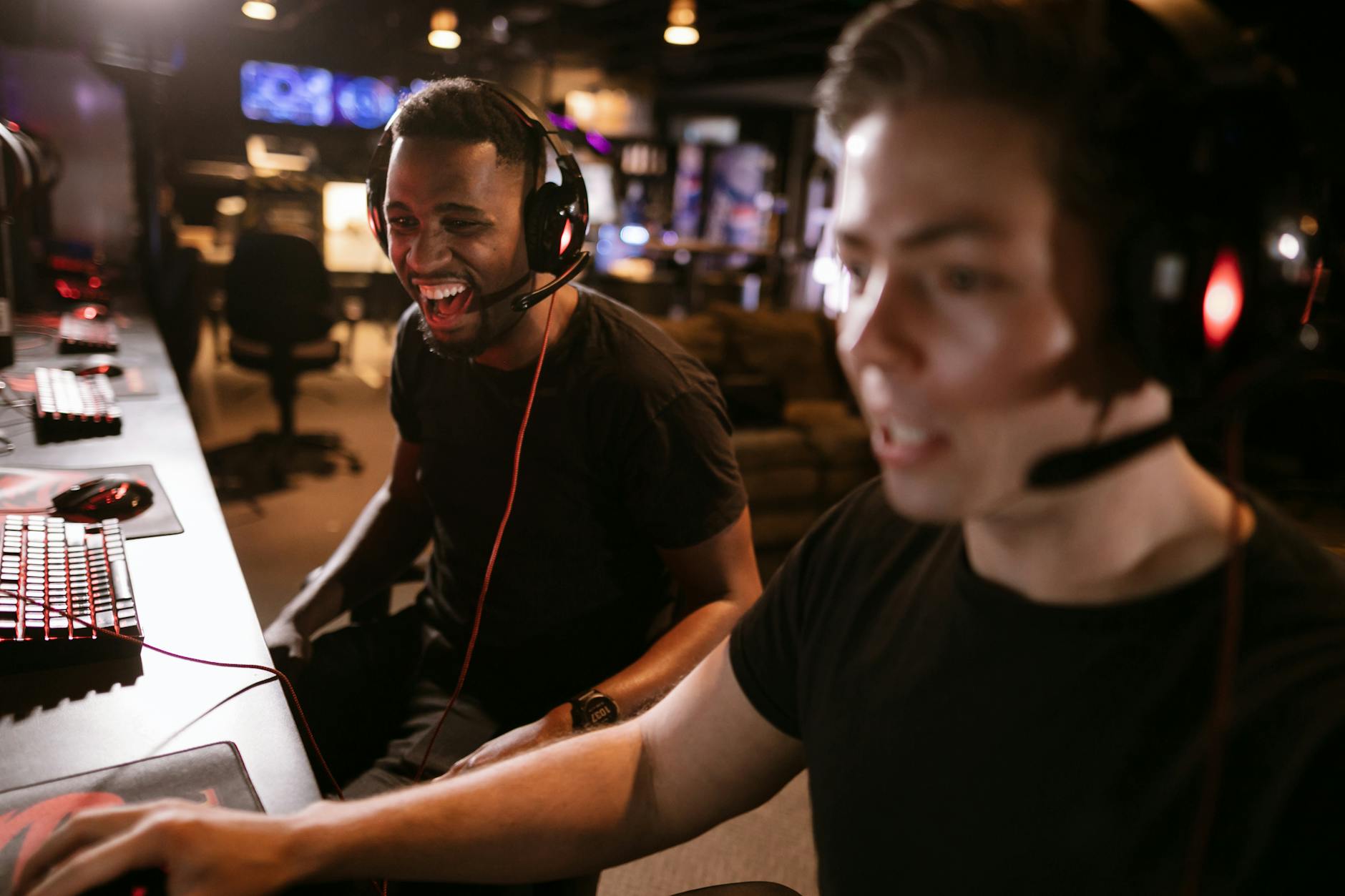
Exploring Social Interaction in Online Games for Community Building

Online gaming has transcended mere entertainment to become a vibrant social landscape where players establish connections, build friendships, and develop communities. The evolution of these interactions has fundamentally altered gaming experiences, making social engagement a crucial aspect of gameplay. Whether through cooperative missions, competitive matches, or shared narratives, the social fabric of online games fosters a sense of belonging that many players find enriching.
Understanding the dynamics of social interaction in online games requires examining different types of interactions, the platforms involved, and the implications for players’ mental well-being. This article delves deep into these aspects, providing a comprehensive view of how online games serve as social hubs.
The Role of Communication Tools in Online Games
Effective communication is essential for fostering social interaction in online games. Most modern games integrate various communication tools such as voice chat, text chat, and even video options, which allow players to coordinate strategies, share experiences, and build rapport. For instance, in games like “World of Warcraft,” players often join guilds where they can communicate seamlessly, enhancing teamwork and camaraderie.
Moreover, platforms like Discord have emerged as popular supplementary tools for real-time communication among gamers. This allows players from different games to connect, forming broader communities that extend beyond singular gaming experiences.
The Impact of Team-Based Gameplay
Team-based gameplay is a significant driver of social interaction. Games like “Overwatch” and “League of Legends” require players to collaborate closely, which can lead to the formation of strong alliances and friendships. Research indicates that teamwork in gaming can enhance social skills and improve players’ abilities to work in groups, reflecting real-life dynamics.
Additionally, the competitive nature of these games fosters a unique environment where players experience both triumphs and failures together, further solidifying their social bonds. The shared experiences create lasting emotional connections that can sometimes spill over into real-life friendships.
Challenges and Misconceptions
Despite the positive aspects, social interaction in online games is often mischaracterized. A common misconception is that online interactions are less meaningful than face-to-face interactions. However, studies suggest that many players find deep emotional connections in these virtual spaces. These connections serve as vital support systems, particularly for individuals who may struggle with social anxiety or face challenges in traditional social settings.
On the flip side, negative experiences such as toxicity and harassment can hinder social interaction. Games need to implement strict policies and community guidelines to mitigate these issues and ensure that the social environment remains welcoming and constructive.
Conclusion: The Future of Social Interaction in Gaming
As technology advances, the potential for social interaction in online games will likely expand. Virtual reality and augmented reality are set to create even more immersive social experiences. Ultimately, the way players connect in these digital realms will continue to shape the community dynamics of gaming for years to come, reinforcing the importance of social interaction as a fundamental component of the gaming experience.
About Me

Chesung Subba
Author/Writer
Hello, I'm Chesung Subba, a passionate writer who loves sharing ideas, stories, and experiences to inspire, inform, and connect with readers through meaningful content.
Follow Me
Connect with me and be part of my social media community.
Leave a Reply