Exploring the Differences in Casual and Competitive Gaming

The world of gaming has evolved dramatically over the years, giving rise to distinct cultures and communities. Among these, casual and competitive gaming stand out as two prominent styles that cater to different player preferences and experiences. Understanding their nuances is vital for players, developers, and marketers alike, especially as the industry continues to expand.
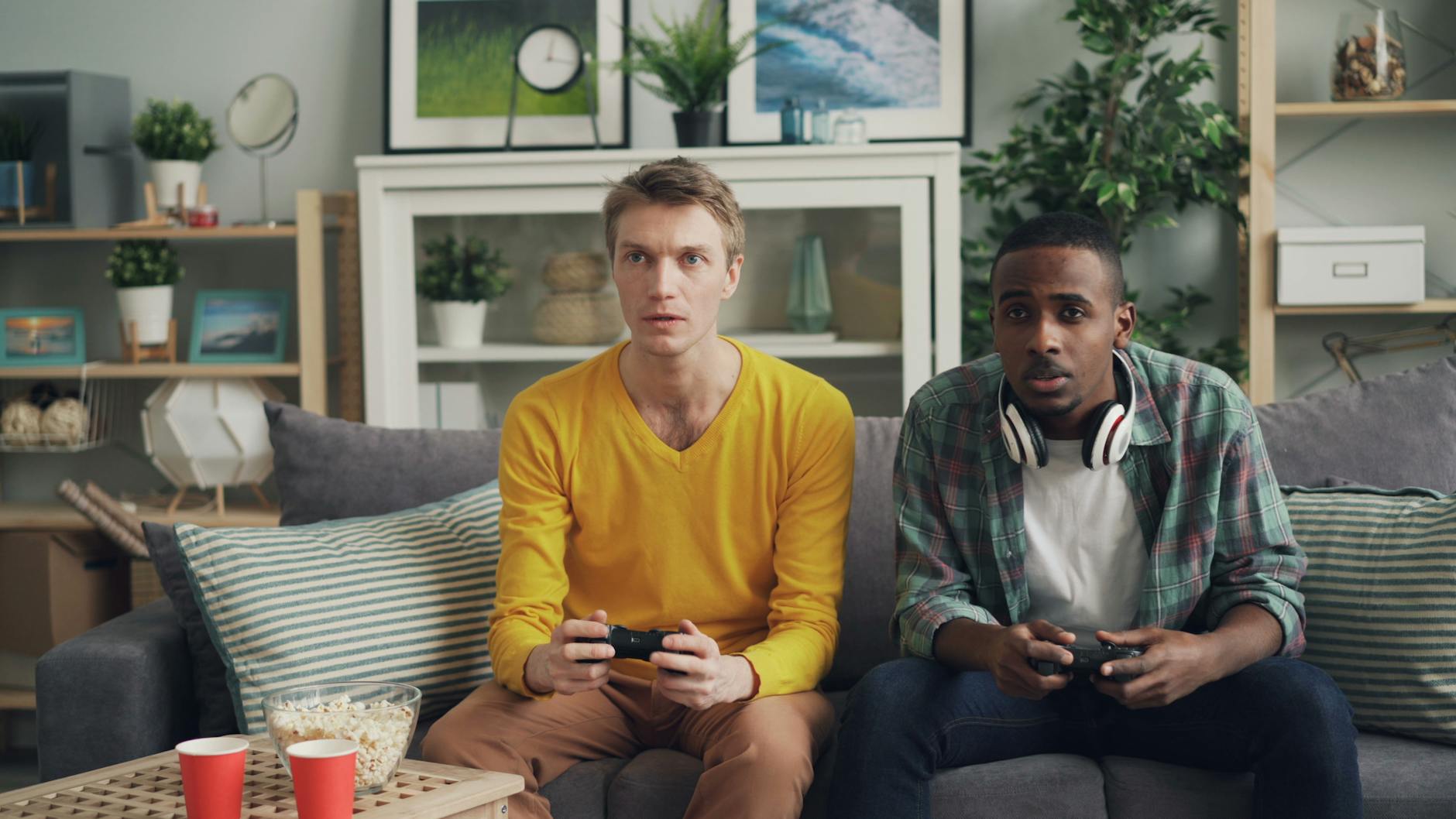
Casual gaming typically involves games designed for a more laid-back experience, often played on mobile devices or with friends. In contrast, competitive gaming demands skill and strategy, often taking place in structured environments such as tournaments or ranked matches.
Characteristics of Casual Gaming
Casual gaming is generally characterized by its accessibility and ease of play. Games like “Candy Crush” or “Among Us” exemplify this genre, offering simple mechanics and short play sessions that fit into a busy lifestyle. According to a report by Newzoo, casual games accounted for over 50% of the global gaming market, highlighting their popularity.
Often, casual games prioritize social interaction and fun rather than strict competition. Many players engage in these games for relaxation or social bonding, rather than seeking to excel or win. This leads to a more inclusive environment, where players of all skill levels can participate without the pressure of high stakes.
The Competitive Gaming Experience
On the other end of the spectrum lies competitive gaming, which encompasses genres like first-person shooters, strategy games, and multiplayer online battle arenas (MOBAs). Titles such as “League of Legends” and “Counter-Strike: Global Offensive” exemplify competitive gaming. These games often require players to invest significant time mastering complex mechanics and strategies.
Competitive gaming fosters a culture of skill development and accomplishment. Players invest countless hours in practice, aiming to improve their rankings or qualify for tournaments. Statistically, the Esports sector generated more than $1 billion in revenue in 2021 alone, reflecting the increasing interest in competitive gaming.
Understanding Player Motivations
The motivation behind choosing casual or competitive gaming can vary significantly. Casual gamers often seek enjoyment, relaxation, and a way to unwind after a long day, while competitive gamers are driven by a desire for achievement, mastery, and recognition. Cognitive psychologist Dr. Jane McGonigal discusses how gaming can be a powerful tool for motivation, noting that competitive games often create environments that reward persistence and skill.
Conclusion: Finding Your Place in Gaming
In summary, while casual and competitive gaming offer different experiences, both play significant roles in the broader gaming landscape. Players should assess their preferences and motivations to determine which style resonates with them. Whether seeking a relaxed gaming session or the thrill of competition, the gaming world provides ample opportunities for all types of players to engage and enjoy.
About Me

Chesung Subba
Author/Writer
Hello, I'm Chesung Subba, a passionate writer who loves sharing ideas, stories, and experiences to inspire, inform, and connect with readers through meaningful content.
Follow Me
Connect with me and be part of my social media community.
Leave a Reply